


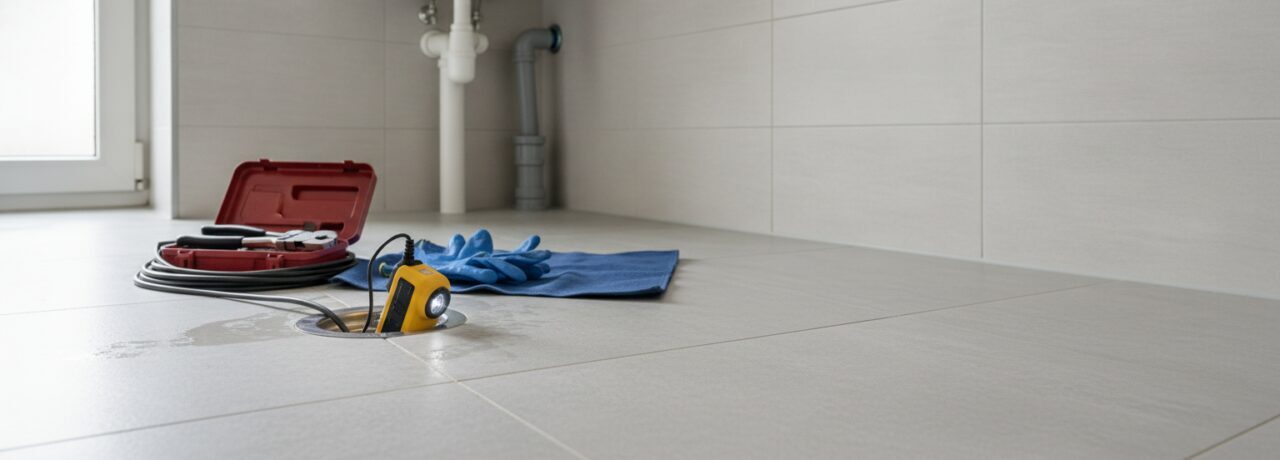


If you are moving out of a rental home soon, it is wise to know how to include a blockage in the final inspection. This will help you avoid disputes with the landlord and ensure you don't leave behind any unnecessary costs. Don't just think about the toilet, but also the kitchen drain, the shower, and the sink. Check with the landlord to ensure there are no clogged pipes. Take photos, note the condition of the drains, and consider bringing along an expert from a drain cleaning company for an extra check.
During the final inspection, it is important to pay attention to both visible and less visible points. Check if the water drains properly, listen for gurgling sounds, and ask if any previous sewer problems are known. Communicate your findings immediately and clearly record everything in the inspection report. This way, you can demonstrate afterwards that you left no problems behind.
With proper preparation, you can easily include blockage issues in the final inspection upon departure. This prevents surprises and allows you to hand over the keys with peace of mind. By checking the drains, you demonstrate your diligence and can quickly resolve any misunderstandings.
What does including a blockage in the final inspection upon departure mean?
Including blockages in the final inspection upon departure is about preventing disputes regarding the condition of plumbing when leaving a rental home or commercial property. As a departing tenant, you do not want to be held liable later for a clogged sewer or a persistent drain blockage that may have been present for some time. This issue arises regularly, particularly with housing associations such as Vestia and Stadgenoot, but private landlords and real estate agents like Funda or Makelaarsland also occasionally encounter it.
How did this approach originate in rental properties?
The practice of final inspections gained a foothold more than fifty years ago, partly due to the efforts of national associations such as the Association of Owners and the Tenants' Commission. This was done to prevent disputes regarding handover and hidden defects. At the same time, 24-hour drain unblocking services appeared with increasing frequency, such as Ontstoppen.nl, to provide immediate assistance with unforeseen blockage problems. By including clear agreements in the rental contract in advance, you prevent the costs from being charged to you later, even if you have already moved out.
Step-by-step plan for including blockages in the final inspection
- Check the technical condition of the pipes: Visual inspection of siphons, drains, and crawl spaces provides insight into the overall condition. If necessary, have a certified plumbing company perform a camera inspection.
- Testing the functioning of the sewer: Flush all taps, showers, toilets, and sinks. Pay close attention to gurgling noises, slow drainage, or recurring odors.
- Report problems immediately: Report any blockages or defects immediately to the landlord during the pre-inspection so that the findings are recorded.
- Prepare documentation: Request a final inspection report and, where possible, take photos with a time stamp. This prevents disputes afterwards.
- Engage an expert: Have the inspection carried out by an independent party or rent Ontstoppen.nl in via a Free inspection quote for clogging problems upon departure to avoid surprises.

Important types of blockages during final inspection
- Kitchen drain: Grease and food residue can cause a creeping blockage that is difficult to locate without specific equipment.
- Toilet drain: Accumulation of paper, wet wipes, or limescale often leads to unexpected blockages, which is noticeable during a visual inspection by poor flushing.
- Shower drains and bath: Hair and soap residue cause a gradual blockage. Regular maintenance prevents escalation at the moment of departure.
- Main sewer: Subsidence, tree roots, or structural defects cause major problems and require professional sewer inspection with cameras.
Two indispensable topics in the final inspection
- Inventory of previous complaints: During the final inspection, it pays to provide an overview of all previous reports regarding the sewer and the responses to them. This demonstrates your expertise, and the landlord cannot claim that dormant problems are 'new'.
- Check for insurance coverage: Check whether damage or unblocking costs are covered by the contents or buildings insurance, especially if you are unsure whether it concerns a structural defect that existed before your time as a tenant.
What do you do if you find a blockage anyway?
- Instant unblocking: Engage a reliable provider such as Ontstoppen.nl in for emergency unblocking. Chances are you can take advantage of the fixed rate of €169,50 including VAT. For larger problems in the main sewer, you pay the all-in flushing rate of €296,45.
- Seek cooperation with the landlord: Always report a problem in a timely manner. It is often more cost-effective for both parties to hire a drain cleaning company together.
- Include delivery report: Have all steps and repair work properly documented by an independent inspector or an experienced drain cleaning technician to prevent disagreements afterwards.
What should you pay extra attention to regarding commercial properties and apartments?
- Shared pipes: In an apartment complex or multi-tenant office building, a single blockage sometimes affects multiple users. Always report blockages to the Homeowners Association.
- Group insurance policies: Always ask who is responsible for the main sewer; this prevents surprises with high repair costs after completion.
Do you want to know exactly what to expect upon departure and avoid hidden costs? Easily view the rates for blockage inspection and unblocking upon departure.
Never skip a final inspection upon departure if a blockage is involved. Have a professional investigation carried out and document everything thoroughly to protect yourself against claims or misunderstandings after the move. Ontstoppen.nl Helps you quickly, reliably, and transparently. Feel free to request a free, no-obligation quote for an inspection or urgent job.
Frequently asked questions
1. How do you professionally include a blockage in the final inspection upon departure?
You include blockages in the final inspection by ensuring a clear check and report of the drains and sanitary facilities beforehand. Visually inspect toilets, sink drains, shower drains, and other drains, and look for signs of slow-flowing water or gurgling noises. Report any blockage issues immediately to the landlord or responsible manager and request a written record of this in the inspection report. This prevents you from being held responsible after your departure for blockages that were already present.
If in doubt, call a professional drain unblocking company such as Ontstoppen.nl conduct an inspection and record the result in a signed report. By following these steps, you ensure transparency and clarity, so that all parties involved know what the situation was upon departure. Would you like to know more about professional toilet unblocking for the final inspection? Then read on about our service. here.
2. Why is it important to document a drain or toilet blockage upon delivery of the home?
Documenting a blockage during the final inspection protects you against unjustified costs and disputes regarding damage after vacating the property. In the Netherlands, it is customary for tenants to hand over the property in good condition according to the tenancy agreement; undocumented blockages can later be charged to your account, even if they were not caused by your actions. Photos, videos, and an expert report serve as evidence and ensure that you are not held responsible for the repair costs.
This process is often overlooked, but property managers and landlords count on you to be vigilant upon departure. Ensure that you report any blockages immediately and have them recorded in the inspection report. This strengthens your legal position should questions arise later. Are you dealing with a clogged drain and do you want to ensure proper documentation? Get advice via our page on having a drain blockage professionally resolved.
3. What steps do you follow to effectively identify blockages during the inspection?
Start by flushing or running all drains and toilets: pay attention to slow-draining water, gurgling sounds, air bubbles, and strange odors. Check the kitchen, bathroom, toilet, and laundry room and note any abnormalities immediately. Also test the water pressure and inspect siphons for accumulated debris or obstructions. If you have a sewer camera at your disposal, you can even use it to locate clogged pipes.
If a blockage is discovered during the final inspection, create a clear report detailing the time, location, and nature of the problem. Have this signed by both yourself and the landlord. Do you want to prevent a blockage from preventing you from leaving? Then check out our tips and options for having a toilet blockage resolved with a guarantee.
4. What do you do if you discover a developing blockage during the final inspection?
If you notice upon handover that a toilet is difficult to flush or that a drain is starting to become clogged, report this immediately to the responsible manager and request an evaluation by a professional. If possible, have the blockage resolved before you leave so that you do not have any hassle with it. Keep records of all communication and always receive written confirmation of the report and any actions taken.
A quick response is essential to avoid being held responsible for an existing blockage. By acting quickly and gathering evidence, you prevent extra costs and frustration later on. Discover what other steps you can take in an emergency situation and read more about our clogged toilet emergency service.
5. May a landlord recover costs for a blockage afterwards if you did not report it during the inspection?
If you do not report the issue and do not include it in the final inspection, a landlord or property manager can still recover the costs from you. Most rental agreements state that you must return the house 'clean and without defects'. If a blockage is discovered afterwards, it is difficult to prove that this was not your responsibility if you did not document this in writing upon departure. This applies particularly to toilets, sinks, and bathroom drains, which are the source of many rental disputes.
A clear inspection and documentation upon handover prevents legal disputes. It is therefore wise not only to check visually, but also to gather professional evidence if you notice anything suspicious. If you require immediate professional assistance with this, call in our emergency service ( toilet unblocking immediately available) to ensure your departure proceeds smoothly.


