




Are you wondering how to handle the costs of toilet unblocking in a Homeowners' Association (VvE) situation? This is a common problem in apartment complexes, where everyone is jointly responsible for the maintenance of shared pipes and sewage systems. Consider the VvE, the internal regulations, the deed of division, cost allocation, and hiring a drain unblocking company.
When you have a clogged toilet, you must first determine the cause. Is the blockage in the vertical drainpipe or just in your own drain? The location determines who is responsible for the costs. Often, the regulations determine who is liable and whether it is paid from the HOA fund or falls under individual ownership.
Resolve the problem together via a meeting or report it to the HOA administrator. Always choose a recognized drain cleaning company with clear pricing to avoid surprises. Make clear agreements regarding the invoice and future costs so that you never face financial surprises. This way, you can be sure that the drain cleaning costs are distributed fairly within the HOA.
What does toilet unclogging mean in a Homeowners Association situation?
Toilet unblocking within a Homeowners' Association (VvE) situation revolves around addressing blockages occurring in the common sewer system or pipes of an apartment complex. A Homeowners' Association is responsible for the management and maintenance of common areas of a building, such as the roof, facades, and horizontal sewage systems. When it comes to a clogged toilet, the question often arises as to who is responsible for the unblocking costs and how these can best be divided and settled.
How do Homeowners' Associations divide the costs for toilet unblocking?
Dividing the costs for toilet unblocking requires clear agreements and knowledge of the division regulations. Usually, the division and responsibility are arranged as follows:
- Who pays for individual blockages: A blockage in a pipe serving only a single apartment is generally the responsibility of the resident or owner concerned. Therefore, it is important to first determine whether the problem occurs only at your toilet.
- Who pays for shared blockages: When multiple apartments are affected by blockages or the blockage is located in the common pipes, the Owners' Association pays the unblocking costs from the joint fund. It does not matter who caused the problem. Always consult with the Owners' Association board to avoid duplicate invoices.
- Insurance and HOA: Sometimes the HOA's buildings insurance covers damage to common pipes or leaks caused by blockages. Always check the policy document before proceeding with unblocking.
- Agreement or internal regulations: More and more Owners' Associations have laid down the responsibility for unblocking and the distribution of costs in the internal regulations to prevent lengthy disputes.

How do you arrange toilet unclogging in practice within a Homeowners' Association?
The process for a clogged toilet in an apartment complex consists of several clear steps:
- Identify the problem at the toilet: Check if your neighbors are also experiencing a clogged toilet. That way, you will quickly know whether it is an individual or a shared problem.
- Report the problem directly to the HOA: Report to the administrator or the board that your toilet is clogged. Note exactly where the blockage is located and keep trying until the problem is clearly defined.
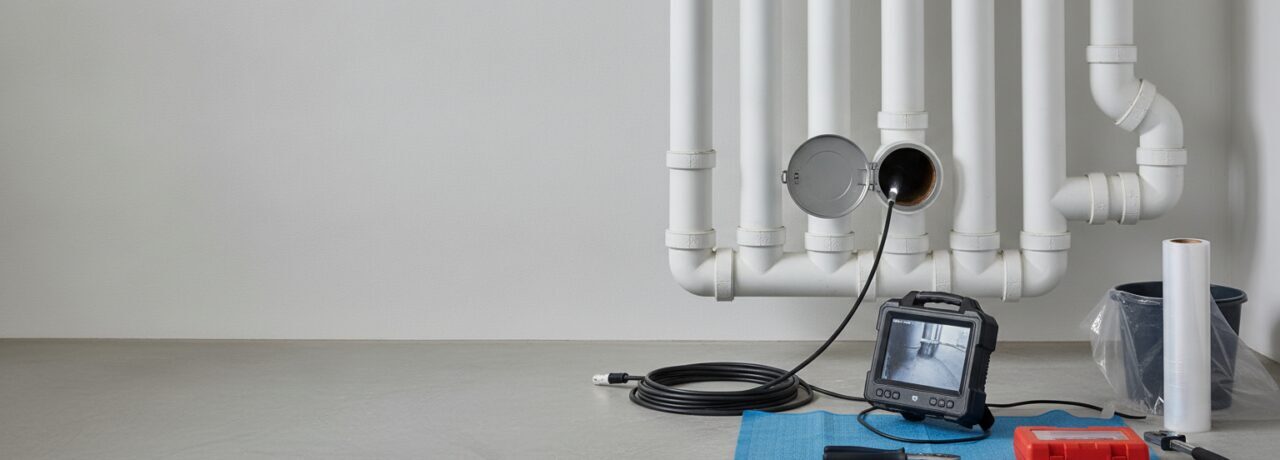
- Have a professional inspection done: The HOA can hire a drain cleaning company such as Ontstoppen.nl engage for a sewer camera inspection, which immediately clarifies who is responsible for the costs.
- Cost allocation and assignment: After identifying the problem, you agree on who commissions the work and who receives the bill. If it is a joint problem, the VvE pays. If it is an individual issue, you personally agree to a quotation.
- Administration and settlement: The HOA manager includes the unblocking costs in the maintenance budget or, where applicable, allocates them to the correct apartment.
How We Work
How we work
Report a blockage (without obligation)
Tell us where the blockage is (drain, plumbing, toilet, or sewer). We'll immediately analyze the situation by phone, WhatsApp, or form.
Free quote
You'll receive a clear, all-inclusive price for unblocking—including call-out fees, labor, and a no-win, no-fee policy. No surprises.
National coverage
Our certified sewer specialist often arrives the same day. We unclog drains without any demolition work, using professional equipment.
Unblocking & warranty
We'll fix the blockage, inspect all pipework, and offer an 8-week warranty. Safe, durable, and professional.

Common scenarios for HOAs and toilet blockages
In practice, there are various scenarios that can result in a toilet blockage. The most common situations are:
- Only your toilet is clogged: In this case, as an owner or resident, you take action yourself. You contact a specialist. The bill is not shared and is at your expense. The Owners' Association plays no role then, unless you are certain that the problem lies deeper within the system.
- Multiple apartments affected: If the blockage occurs in a riser, collection sewer, or the main sewer falling under the jurisdiction of the Owners' Association, the association handles this collectively. Everyone contributes indirectly through the service charges.
- Leakage or odor nuisance: A severe blockage can lead to damage to walls, ceilings, or floors in common areas or apartments. In such cases, the Owners' Association often immediately engages a specialized company for inspection and long-term solutions.
- Temporarily blocking pipes: During construction work, pipes may become unusable. The unblocking process then follows the standard HOA agreements and is sometimes classified as maintenance work.
Important tips for clear cost handling in a Homeowners' Association
Coordination and preventing surprises are essential. Here are some important tips for a smooth process:
- Arrange a maintenance contract for sewers and pipes: This way, you prevent blockages in the system proactively and are entitled to immediate assistance in emergency situations without unexpected bills.
- Always document well: Ensure that the reason, actions, and agreements regarding a toilet unblocking are always documented in writing. Transparency prevents disputes afterward.
- Look at the annual budget: Put the cleaning of risers or the annual inspection on the agenda of the General Meeting so that all residents are aware of the costs and the expected effort.
- Use reliable companies: Choose a specialized drain cleaning company with experience within Homeowners' Associations that works on a no cure no pay basis and has transparent rates, such as Ontstoppen.nlThat way, you always know where you stand.
Overview of rates and costs for toilet unblocking in a Homeowners' Association
Anyone who has to arrange toilet unblocking within a Homeowners' Association discovers that rates and costs can vary widely. Ontstoppen.nl works with transparent pricing to provide clarity for every HOA:
- No cure no pay: You only pay if the problem is actually resolved.
- Fixed rate: For a single blockage, you pay a clear amount of €169,50 including VAT.
- All-in flushing rate: If the main sewer or a collection pipe is blocked, a rate of €296,45 including VAT applies for an all-in treatment.
- Quick service: Emergency assistance and preventative maintenance are always possible, so that damage and inconvenience remain minimal.
You can always request a free, no-obligation quote for agreements regarding the cost allocation of toilet unblocking within your HOA . If you wish to compare prices in advance and present them to your HOA board or meeting, simply view the clear overview of rates for toilet unblocking within HOAs.
With this approach, clear agreements, and prompt service, arranging the costs for toilet unblocking in your HOA area is no longer a complicated task. With timely communication and the right partner, you maintain control over the maintenance budget and avoid unpleasant surprises.
Frequently asked questions
1. Who pays the costs for toilet unclogging within a Homeowners' Association?
Whether the costs for toilet unblocking within a Homeowners' Association are paid by you or the VvE depends on where the blockage is located. If the blockage is in your own home or in your own plumbing (for example, directly after the toilet), this is usually your own responsibility. However, if the blockage is located in the shared part of the sewer system, such as the riser or the building's main drain, the costs are generally borne by the VvE.
It is smart to have an inspection carried out together with the HOA by a professional drain cleaning company such as Ontstoppen.nl, so that it becomes clear where the problem lies. This way, you avoid unnecessary discussions and divide the costs fairly in accordance with the deed of division and the internal regulations of the Owners' Association. Would you like to know more about a professional toilet unblocking service? Then read on immediately about our services (toilet unblocking service).
2. How can you handle the costs for toilet unblocking in a Homeowners' Association properly and fairly?
The handling of costs for unclogging a toilet within a Homeowners' Association (VvE) always starts with good communication. Report the blockage to the board or the technical committee of the VvE as soon as possible and clearly describe the problem. Always have a professional plumber or unclogging company assess the location of the blockage so that there is no doubt regarding the cost allocation.
The deed of division is often the guiding principle: you pay for everything belonging to private areas yourself, while everything belonging to common areas is paid for by the Owners' Association. For example, record agreements regarding maintenance and costs in a multi-year plan so that members know where they stand. Sometimes it is possible to agree on fixed all-in rates to avoid surprises. Want to know what a fixed price for unclogging a toilet entails? Check out our approach ( unclogging a toilet for a fixed all-in price ).
3. What agreements regarding unblocking costs should be included in the internal regulations of a Homeowners' Association?
As a Homeowners' Association (VvE), it is advisable to make clear agreements regarding unblocking costs in the house rules or the maintenance plan. In these documents, you specify when something falls under individual maintenance or when the VvE is responsible for the bill. For example, describe in the regulations at what point the pipework is considered common property and what procedure must be followed in the event of a blockage.
Well-documented rules prevent ambiguity and disputes between residents and ensure prompt repairs in the event of blockages. It also prevents residents from incurring unnecessary costs when multiple defects occur simultaneously. As a Homeowners' Association, consider a standing contract with a recognized unblocking company such as Ontstoppen.nl, so you are assured of fast service and transparent rates. Do you want to know how to get immediate help with a clogged toilet? Check out our emergency service for quick solutions (emergency service for toilet blockage).
4. What do you do if residents and the Homeowners' Association disagree about the unblocking bill?
If you and the Owners' Association cannot agree on who is responsible for the unblocking costs, first consult the deed of division and the internal regulations. These usually clearly describe which part of the piping system is private and which part is maintained and paid for collectively. If the dispute persists after consultation, an independent expert such as a plumber or sewer specialist can be called in. Ontstoppen.nl determine where the cause lies.
Should the division persist, enlist the help of a mediator or the HOA administrator, who has experience handling these types of conflicts. Good communication and clear substantiation often help reach a solution without escalation. Do you want to know how to resolve blockages yourself without using aggressive products? Read all about eco-friendly unblocking options ( unblocking toilets without chemicals ).
5. How do you prevent future unblocking problems and unexpected costs within a Homeowners Association?
Regular maintenance of the sewer system and clear communication within the Owners' Association are the best ways to prevent blockages and unexpected expenses. As an Owners' Association, agree on when preventative inspections and cleaning will be carried out by a professional company, so that incipient blockages are detected in time. Provide residents with clear insight into what may and may not be flushed down the toilet.
Consider including preventive maintenance in the HOA's multi-year maintenance plan and, for large complexes, considering additional insurance against water damage caused by blockages. By working with a recognized unblocking company such as Ontstoppen.nl you can be sure that problems are immediately handled professionally. Do you want to know how quickly a specialist will be on site for a toilet blockage? Discover our immediate assistance service (immediate help with a clogged toilet).


