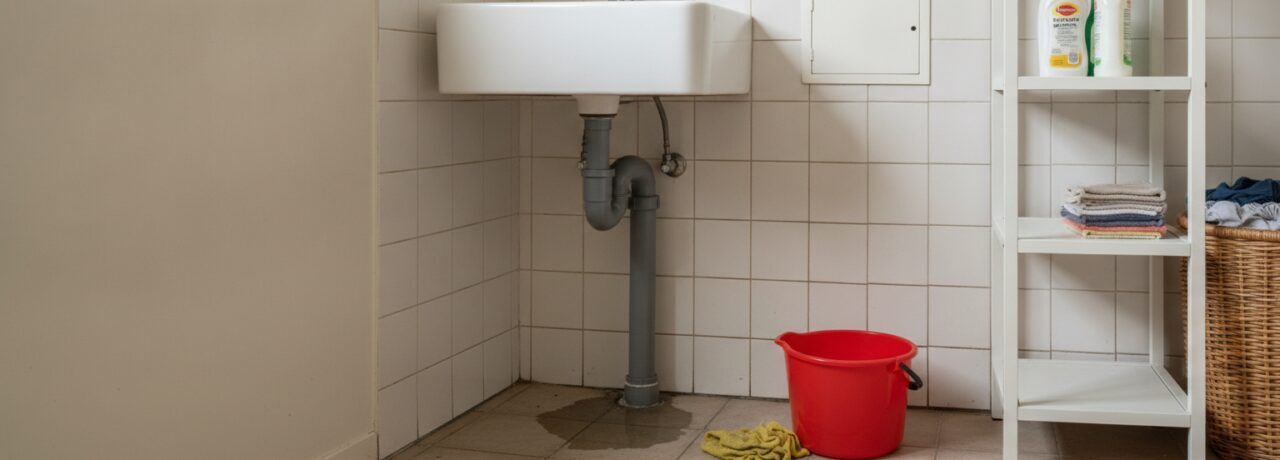
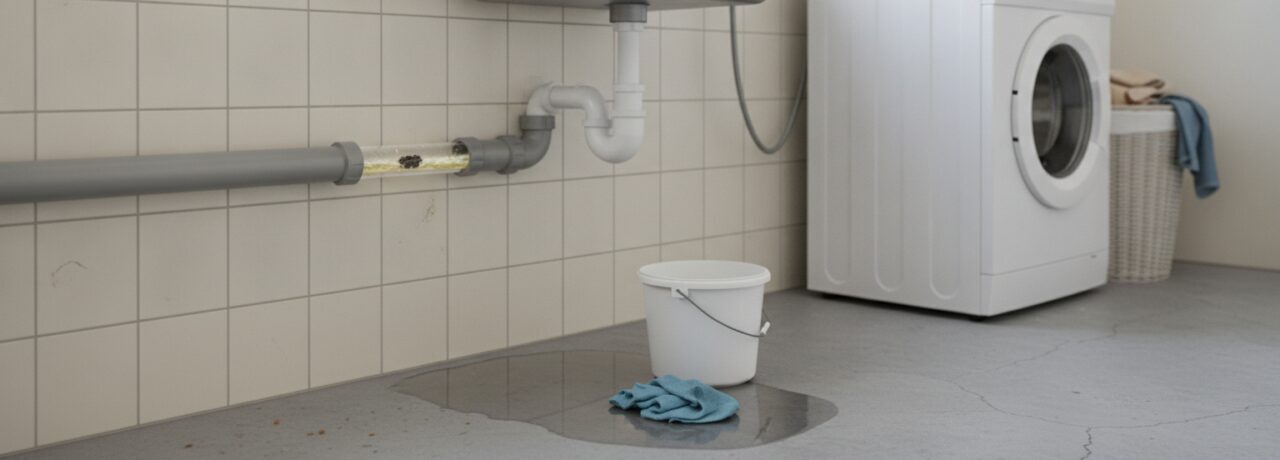
Wondering if a clog is in your toilet or deeper in the downpipe? Knowing the difference can save you a lot of frustration. Often, it starts with slow drainage, gurgling sounds, or even unpleasant odors in your home. But when is the problem purely in your toilet bowl, and when is there something deeper wrong in the drain pipe?
Pay close attention to signs in your home. If you notice poor drainage from multiple toilets, a shower, or a sink, there's a good chance the downpipe is the culprit. If it's limited to just your toilet, the blockage is most likely in the toilet drain itself. These signs will quickly point you in the right direction.
A good understanding of how your sewer system works is invaluable when identifying problems. Knowing where to look prevents unnecessary costs and speeds up repairs. With this knowledge, you can often resolve many minor blockages yourself, or you'll know when it's time to call in an expert.
What is a blockage in your toilet or stand pipe?

You know the feeling: you flush the toilet and the water keeps rising, or you hear it bubbling in your pipes. But where exactly is the problem? In the toilet itself or deeper in the downpipe? Your toilet drain and downpipe together form the heart of your home's sewer system. The toilet is directly connected to the downpipe, the vertical pipe that carries all the wastewater from various floors to the main sewer. A blockage can occur in your toilet bowl, but it can also become lodged in the downpipe. Think of a wad of paper, wet wipes, or grease residue that accumulates over time.
History and development of toilet and standpipe blockages
The development of blockages has a long history. Since the introduction of plumbing as we know it, toilets and downpipes have been prone to blockages. With the advent of the modern sewer system in Dutch cities, which dates back to the nineteenth century, central downpipes and horizontal pipes were standardized. Names like Thomas Crapper and organizations like Rijkswaterstaat (the Directorate-General for Public Works and Water Management) have had an influence on the development of our current sewer system. Technological advances in unblocking methods have allowed companies like Ridgid and Karcher to develop advanced tools to locate and resolve blockages more quickly.
Signs that indicate a blockage in your toilet or the standpipe
You often first notice a blockage when you flush. But how can you accurately determine whether the blockage is in your toilet or the downpipe? Symptoms vary widely. If only one toilet is clogged, without problems in other drains, the blockage is usually in the toilet's downpipe. If you experience gurgling sounds or water that won't drain in multiple places in your house, such as the drain in your bathroom or kitchen, then the blockage is likely deeper: in the downpipe.
- Persistent toilet water rises: If the water level drops slowly and rises after flushing, this often indicates a problem with the toilet drain.
- Bubbling drains in other places: When sinks, shower or bath react, this usually indicates a clogged downpipe.
- Smell from the drain: Sewage odors usually indicate problems in the downpipe, because the buildup is deeper than the toilet trap.
- Water coming up in shower drain: Is water coming out of the shower drain when you flush the toilet? Then the main supply via the downpipe is blocked.

Step-by-step plan to determine where the blockage is located
With a logical approach you will quickly discover where the blockage is located.
- Test all drainsFlush the toilet while watching for water bubbling or rising in the bathroom or kitchen. If the problem is only with the toilet, then this is the source of the blockage.
- Check the outside sewer: Check outside whether the drain plug is dry or contains water. Full water indicates a deeper blockage.
- Use a drain snake: Is there resistance just after the bowl? Then the blockage is in your toilet pipe. If you're touching something deeper, the problem likely lies in the downpipe.
- Note multiple wet spots: If water flows back into several sanitary points during rainfall, this indicates the central pipe or main sewer is the cause.
- Check the neighborsAre your neighbors also experiencing problems? It could be a shared downpipe or the city sewer.
How We Work
How we work
Report a blockage (without obligation)
Tell us where the blockage is (drain, plumbing, toilet, or sewer). We'll immediately analyze the situation by phone, WhatsApp, or form.
Free quote
You'll receive a clear, all-inclusive price for unblocking—including call-out fees, labor, and a no-win, no-fee policy. No surprises.
National coverage
Our certified sewer specialist often arrives the same day. We unclog drains without any demolition work, using professional equipment.
Unblocking & warranty
We'll fix the blockage, inspect all pipework, and offer an 8-week warranty. Safe, durable, and professional.

Common causes of blockages
Blockages are usually caused by improper use or insufficient maintenance. Wet wipes, too much toilet paper, or flushing grease lead to clogging and ultimately blockages. Outdated sewer systems in older cities, such as Amsterdam or Rotterdam, contribute to an increased risk of problems due to narrow pipes or subsidence. Organizations like the Municipal Health Service (GGD) therefore warn against improper toilet use.
- Toilet blocks and cleaning wipes: These do not dissolve well and cause thick plugs.
- Fat and oil: Do not shrink in water but harden in the pipes to form tough valves.
- Root growth in risers: Old pipeline routes can be burdened by invasive roots, especially in rural areas.
- Construction rubble or cement residues: Often remain in the pipe during renovation or reconstruction and cause chronic blockages.
Professional solutions for toilet and stand pipe blockages
Techniques such as high pressure flushing, camera inspection or machine cleaning make unblocking services as Ontstoppen.nl For a thorough analysis and a quick solution. A camera inspection pinpoints the exact location of the blockage and prevents unnecessary demolition work. For complex blockages in the downpipe, milling machines or professional spring machines are often chosen.
At Ontstoppen.nl The following applies: no cure, no pay, a fixed rate of €169,50 for a single blockage and an all-inclusive flushing rate of €296,45 if the main sewer is blocked. If you want to know immediately what your personal situation will cost, take a look at our rates for having your blockage resolved.
Immediate help with a clogged toilet or standpipe
Do you have doubts or are you not sure where the blockage is? Ontstoppen.nl is available day and night. Our specialists, such as Erik de Jong and Kim Visser, are experienced in locating and expertly resolving both simple and complex blockages throughout the Netherlands, from Utrecht to Eindhoven and the The Hague region. Using the latest techniques and a thorough approach, we ensure lasting results. Make it easy on yourself and request a free, no-obligation quote. free cost estimate for unclogging your toilet or standpipe This way, you're always assured of the best service and a fair price for your blockage!
Frequently asked questions
1. How can you tell the difference between a blockage in your toilet or in the downpipe?
If only your toilet isn't flushing properly while other drains are functioning normally, this usually indicates a problem in the toilet's own plumbing. If you notice that several drains on the same floor, such as the shower and sink, are also not draining or are draining with difficulty, the blockage is likely located further down the downpipe. This is the vertical part of the drainage system where multiple connections connect.
A practical test is to flush several drains in your home; for example, if both the toilet and the shower overflow or gurgle in the problem area, you're often dealing with a serious downpipe blockage. If water is occurring in multiple areas simultaneously, contact a specialist immediately. Ontstoppen.nl to prevent serious damage. Want to know more about professional toilet unblocking? Read more about our toilet unblocking service.
2. What are common causes of a blockage in the downpipe compared to the toilet itself?
Toilet blockages are usually caused by a buildup of toilet paper, wet wipes, or foreign objects that don't belong in the toilet. These types of localized blockages can often be resolved with a plunger, spring, or environmentally friendly plunger. Downpipe problems are usually the result of contamination from a mixture of hair, grease, food particles, and soap scum from various connections.
Because the vertical drain connects all drains on a floor, a blockage can develop there after prolonged use and a lack of regular maintenance. Locating and resolving this often requires professional equipment, such as a sewer camera or pressure washer. Would you like to know more about stubborn drain blockages and solutions without disruptive work? View the options here.
3. What symptoms indicate a standpipe blockage as opposed to a typical toilet blockage?
With a downpipe blockage, you'll often notice water not draining, bubbling, or backing up from multiple drains. Common signs include gurgling sounds from the toilet, shower drain, and sink, as well as a foul odor coming from multiple drains. In severe cases, you'll see water backing up from the lowest drain, often the shower drain or toilet.
If the water level is only too high in your toilet, without affecting other drains, the problem is more likely local. Therefore, pay close attention to simultaneous problems elsewhere in the house and take immediate action if you notice multiple blockages. Want to know more about calling for immediate emergency assistance for a vertical drain problem? Call in a professional toilet emergency service immediately.
4. How do you tackle a local toilet blockage yourself and when do you call in a specialist?
You can try to clear a localized toilet blockage with a plunger or a special drain snake. Be careful not to use chemicals, as these can worsen the problem or damage the pipes. After airing out the problem, flush again; if the water drains normally, the blockage is likely gone.
If the problem persists, the water returns or complaints arise with other drains, it is wise to immediately call an experienced unblocking service such as Ontstoppen.nl Prevent further damage and have your toilet clogged professionally and quickly resolved. Read more about our fixed all-inclusive prices for toilet unclogging at unclogging toilet for a fixed all-in price.
5. Why is a blocked standpipe more risky than just a blocked toilet, and how can you prevent things from getting worse?
A blockage in the downpipe is more serious because it can affect the entire drainage system, lead to flooding in multiple locations, and can quickly develop into more extensive water damage throughout the home. The risk of leaks or overflow increases, especially during rain or when multiple people are showering or washing. It's also more difficult to resolve yourself without professional tools.
Prevention is better than cure: do not throw grease, wet wipes, or hygiene products down drains, and have a camera inspection performed in a timely manner if problems occur. If you suspect a major blockage in the vertical drainpipe, have the drain and vertical drainpipe checked and professionally flushed in time to prevent problems. Read all about professional help with clogged drains at home on professional help with clogged drains at home.